Simple Steps That Make Your Paint Job Smooth and Long-Lasting
Preparing your home the right way before interior house painting makes a big difference. Clean walls, protected floors, and patched surfaces help the paint stick better and look smooth. When you take time to prep, you avoid peeling, streaks, and uneven color. Whether you plan to do the work yourself or hire a crew, good prep work sets the stage for a clean, sharp finish.
What You Need Before You Start
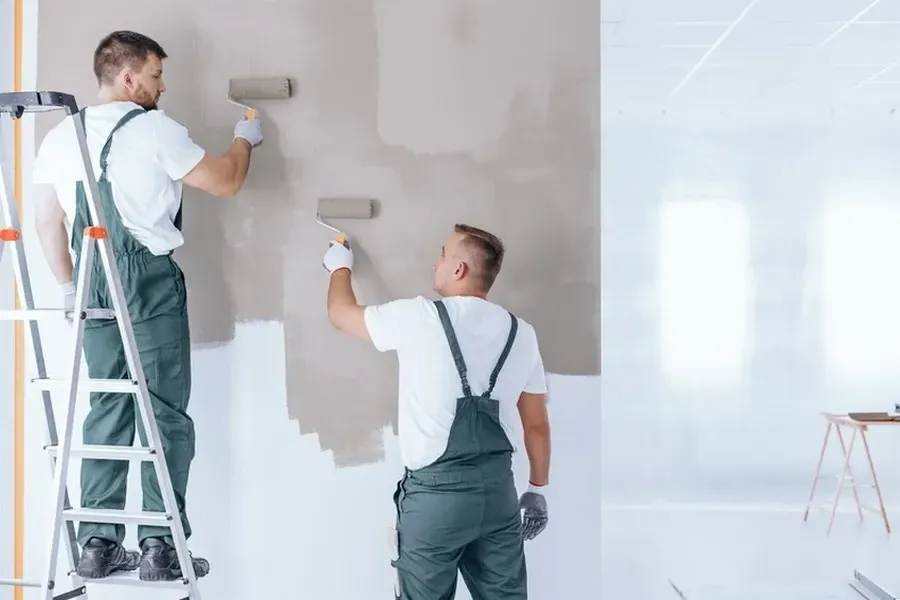
Before any interior house painting begins, gather your supplies and clear the space. Having everything ready saves time and stress later.
Here are basic items most homes need:
- Drop cloths or plastic sheets
- Painters tape
- Wall cleaner or mild soap
- Sponges and clean rags
- Spackling or patching compound
- Sandpaper
- Screwdriver for outlet covers
You may also need primer, depending on the wall color and condition. If walls have stains or dark paint, primer helps block old color and gives the new paint a fresh base.
Step-by-Step Preparation Process
Follow these steps to get your home ready for interior house painting.
- Remove or cover furniture. Move items out of the room if possible. If not, place them in the center and cover with plastic.
- Take down wall hangings. Remove art, mirrors, curtain rods, and nails.
- Clean the walls. Wipe away dust, grease, and stains. Kitchens and bathrooms often need extra cleaning.
- Repair holes and cracks. Fill nail holes and dents with patching compound. Let it dry fully.
- Sand rough spots. Smooth patched areas and any peeling paint.
- Tape trim and edges. Apply painters tape along baseboards, windows, and door frames.
- Protect floors. Lay down drop cloths to catch drips and spills.
These steps may seem simple, but they help prevent common problems later. Skipping even one step can affect how the paint looks once dry.
Common Mistakes to Avoid
Many paint issues start with poor preparation. Here are mistakes that often cause trouble:
- Painting over dirty walls
- Not sanding glossy surfaces
- Leaving outlet covers on
- Rushing patch repairs before they dry
- Using low-quality tape that peels paint
Another mistake is ignoring surface type. Drywall, wood, and plaster all react differently to paint. Some surfaces soak up paint faster. Others need special primers. Taking time to check the wall condition helps you choose the right products.
When to Call a Professional
Some homes need more than basic prep. If your walls have water damage, large cracks, or peeling paint from past jobs, it may be best to call in a professional crew.
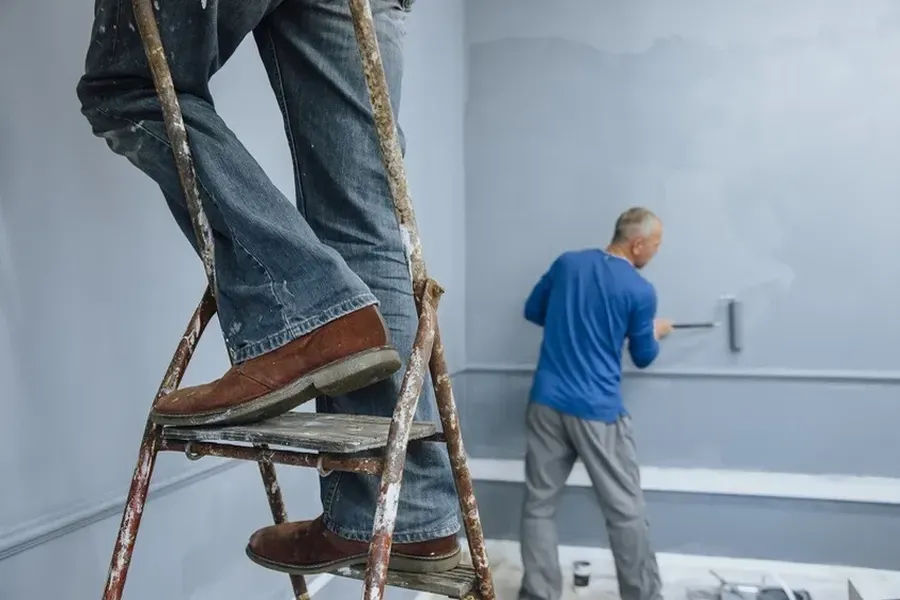
High ceilings and detailed trim can also make prep work harder. Proper ladder use and steady lines take skill and patience. Hiring a team for interior house painting can save you time and give you a neater finish.
Professionals also know how to spot hidden issues. For example, bubbling paint might mean moisture inside the wall. Fixing the root problem before painting helps the new color last longer.
Extra Tips for a Better Finish
Small actions can lead to better results. Keep these tips in mind:
- Test your paint color on a small patch first.
- Use natural light to check wall flaws.
- Label paint cans for each room.
- Keep pets and kids away from wet areas.
Allow enough drying time between coats. Rushing this step can cause smudges or peeling later. Good airflow also helps paint dry evenly. Open windows when possible or use fans to move air through the space.
If your project is part of a larger remodel, schedule painting after major dusty work. Sawdust and debris can stick to wet paint and ruin the smooth surface you worked hard to create.
Ready for a Smooth Paint Job?
If you are planning interior house painting in Truckee, CA, proper prep makes all the difference. At Zarate Painting, we handle every step with care, from surface repairs to final touch-ups. Call us at (530) 316-1266 to schedule your project or ask questions about getting your home ready. We are happy to help you get clean lines, smooth walls, and a paint job that lasts for years.