Why This Finish Makes Surfaces Harder, Stronger, and Longer-Lasting
Lacquer Painting enhances surface durability by creating a hard, protective shell over wood, metal, and other materials. Once it dries, lacquer forms a smooth but tough layer that resists scratches, moisture, and everyday wear. This makes it a popular choice for cabinets, furniture, trim, and even certain commercial fixtures that get heavy use.
What Makes This Type of Finish so Strong
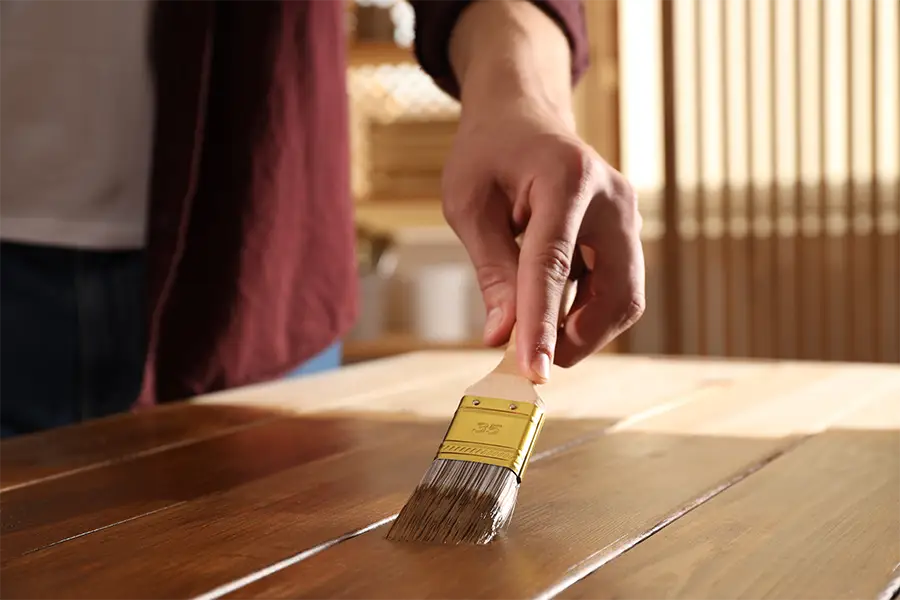
Lacquer dries fast and bonds tightly to the surface. Unlike some traditional paints that stay soft for a long time, lacquer cures into a firm coating. That hard shell helps protect against dents, scuffs, and minor impacts.
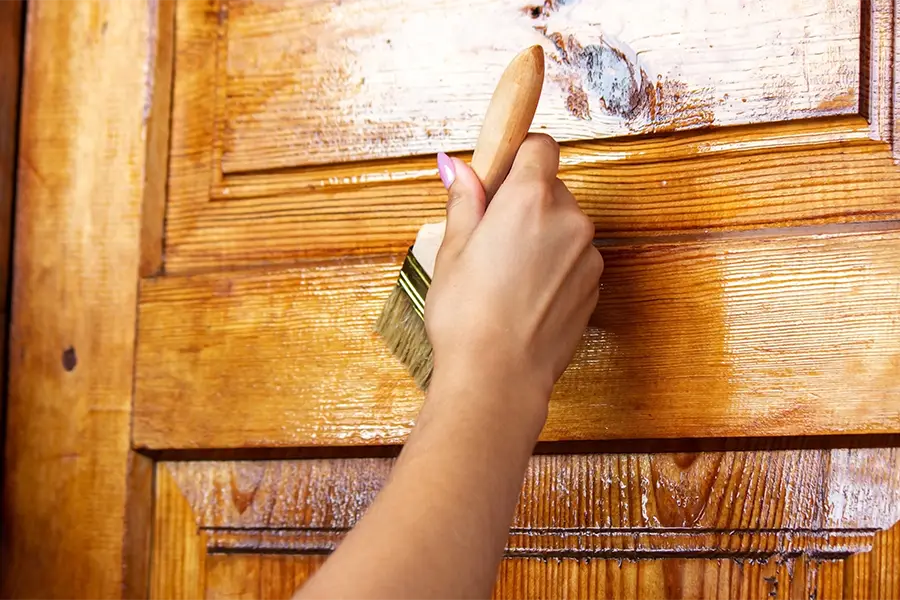
It also seals tiny pores in wood. When moisture cannot soak in easily, the surface is less likely to swell, crack, or warp. This is especially helpful in kitchens, bathrooms, and busy workspaces where spills happen often.
How Lacquer Painting Works
Lacquer Painting uses a fast-drying coating that is usually sprayed in thin layers. Each coat melts slightly into the one below it. This creates a single solid film instead of stacked layers that can peel apart.
This method is different from basic brushing or rolling. Spray application allows even coverage and a smoother finish. That smooth surface is not just for looks. It also reduces friction, which means less wear over time.
In many painting services, lacquer is chosen when strength and a sleek look both matter. It is common in homes, offices, retail spaces, and custom cabinetry projects.
Step-by-Step: How It Improves Durability
Here is a simple breakdown of why lacquer makes surfaces last longer:
- Surface prep removes dust, grease, and old loose coatings.
- Sanding smooths out bumps and helps the finish bond better.
- A primer may be applied to seal the material.
- Thin spray coats of lacquer are added evenly.
- Each coat dries quickly and bonds to the layer below.
- The final cured layer forms a tight, hard shell.
Because the coats melt together, the finish acts as one solid barrier. This helps prevent peeling and chipping. Over time, that strong bond makes a big difference in high-traffic areas like cabinet doors and tabletops.
Common Surfaces That Benefit Most
Not every surface needs lacquer, but many benefit from it. Some of the most common include:
- Kitchen cabinets that open and close daily
- Bathroom vanities exposed to water and steam
- Wood furniture like dressers and tables
- Interior doors and trim
- Retail counters or office fixtures
For example, think about a kitchen cabinet near a sink. Water splashes, hands pull on handles, and cleaning products wipe across the doors. A softer paint may fade or chip over time. A lacquer-coated cabinet holds up better under that daily stress.
Moisture and Chemical Resistance
One of the biggest threats to durability is moisture. When water seeps into wood, it can cause swelling and damage. Lacquer creates a moisture-resistant barrier that helps block this problem.
It also stands up well to mild household cleaners. While no finish is damage-proof, lacquer resists staining and surface breakdown better than many basic paint options. That resistance helps extend the life of the coating and the material beneath it.
Scratch and Impact Protection
Over time, surfaces get bumped, scraped, and rubbed. Chairs hit table legs. Rings drag across tabletops. Boxes slide across counters. A harder finish reduces visible damage from these actions.
Lacquer forms a dense top layer that helps absorb minor impacts. While deep gouges can still happen, light scratches are less likely to cut all the way through the coating. This keeps the surface looking fresh for longer.
Common Mistakes That Reduce Durability
The strength of lacquer depends on proper application. Problems often come from shortcuts, such as:
- Skipping sanding or proper cleaning
- Applying coats too thick
- Not allowing proper drying time
- Spraying in dusty or humid conditions
When these issues occur, the finish may bubble, crack, or peel. That defeats the purpose of using a high-durability coating in the first place.
When Professional Application Matters
Lacquer requires skill and the right equipment. Spray systems, ventilation, and safe handling are all part of the process. For large projects like full cabinet refinishing or commercial interiors, professional application often leads to smoother results and longer-lasting protection.
If you want a factory-like finish on cabinets or built-ins, working with an experienced team helps reduce flaws and wasted materials. A well-applied lacquer finish can last for many years with routine care.
Ready to Upgrade Your Surfaces?
If you are in Truckee, CA and want stronger, longer-lasting finishes for your cabinets or furniture, we can help. At Zarate Painting, we use proven methods to apply lacquer coatings that stand up to daily wear. Call (530) 316-1266 to speak with us about your project and find out if lacquer is the right choice for your space.